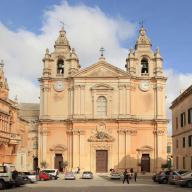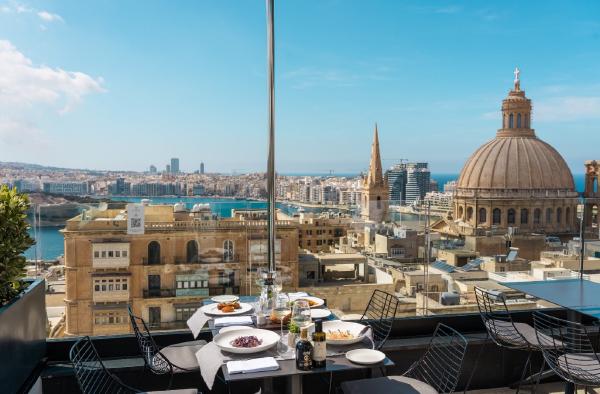
A useful thing to know about Malta: the island has been conquered, gifted, ruled, and squatted on by Phoenicians, Carthaginians, Romans, Byzantines, Arabs, Normans, Sicilians, the Knights of St John, French Napoleonic forces, and the British Empire — usually in that order, sometimes overlapping. Each one left ingredients, techniques, or whole dishes behind. The Maltese kept what worked.
The result is a cuisine that looks Italian if you squint and Sicilian if you squint differently, but turns out to have its own grammar — Arabic-derived names, North African pulses, British-era afternoon tea habits, and a national dish (rabbit) that came from a 16th-century Knights’ decree banning the locals from hunting anything else.
This is the field guide to what to actually order. Fifteen dishes, in roughly the order you’ll encounter them on a typical trip.
For where to eat in Valletta specifically see best restaurants in Valletta, for pastizzi go deep in best pastizzi in Malta, and for guided food experiences see best Malta food tours.
Some links below are affiliate links — they don’t change your price, and they help keep this guide running.
1. Pastizzi — the snack that explains Malta#
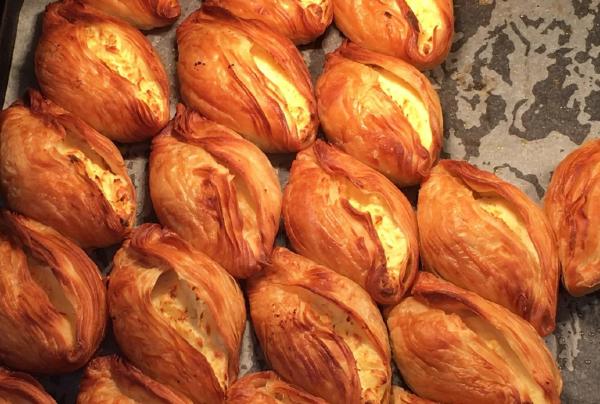
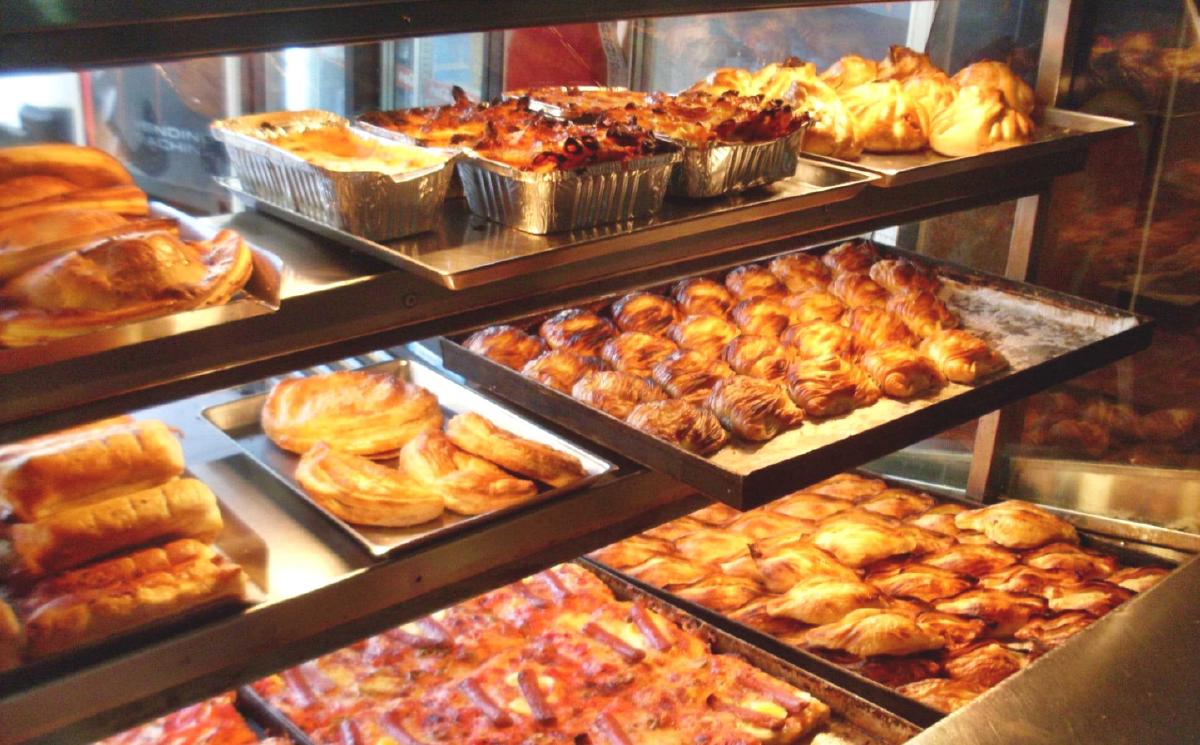
A pastizzo is a flaky, layered, palm-sized pastry stuffed with ricotta (tal-irkotta) or mushy peas with curry powder (tal-piżelli). Eaten warm, standing up, with a coffee, for €0.50–€1.20 each depending on where you are. The texture is somewhere between croissant and filo; the filling is salty and substantial.
Two pastizzi and a coffee is a national breakfast. Three is a lunch. Four is a treat. They’re sold from small “pastizzeriji” on every Maltese village high street.
Where: Crystal Palace in Rabat is the famous one (€0.50, hole in the wall, cash only). Every village has its own. The ones at petrol-station bakeries are surprisingly good.
2. Ftira (Maltese version) — the working sandwich#
The ftira in Malta is a flat, round, dense sourdough bread about the size of a dinner plate, sliced open and filled with whatever the islander’s lunch tradition demands: tuna in oil, capers, sundried tomato, olives, gbejna (Maltese cheese), kunserva (tomato paste), egg, lettuce. The fillings vary, but the bread is the constant — it’s heavier and saltier than a Mediterranean baguette.
Cost: €4–8 at a working bakery, €10–15 at a tourist-zone cafe.
Where: Nenu the Artisan Baker in Valletta does the textbook version. Most village bakeries sell them by 10:00 and run out by 13:00.
3. Hobż biż-żejt — bread with oil, properly#
The simplest dish on this list and the one Maltese people eat at home most often. Hobż biż-żejt = “bread with oil” = a slab of Maltese bread, rubbed with kunserva (concentrated sun-dried tomato paste), topped with olives, capers, anchovies, gbejna or tuna, and slicked with olive oil.
Cost: €3–5 in working cafes, €7–10 in tourist places.
It’s an open sandwich, eaten as a casual lunch or a starter. The kunserva is the secret — Malta’s tomato paste is sun-dried for days and packs more flavour than the Italian tube version.
Where: any Maltese café. Better still, buy the components from a Maltese supermarket and make it yourself for a beach picnic — it’s the dish that travels best.
4. Bigilla — the dip that comes with everything#
A broad-bean dip with garlic, olive oil, parsley and chilli, served with galletti (round Maltese water crackers). It’s beige, lumpy, and unphotogenic, which is partly why it’s still so cheap and authentic — Instagram skipped it.
Cost: €4–6 as a starter; free with bread at many restaurants.
Where: every Maltese restaurant has a version, but Legligin in Valletta does the best version we’ve had — chunky, garlic-forward, with their own house galletti.
5. Fenek (rabbit) — the national dish#
The unofficial national dish, and the one you should make a point of trying once. The Knights of St John banned the locals from hunting almost everything in the 16th–17th centuries — except rabbit. So the locals ate rabbit, became extraordinarily good at cooking rabbit, and now rabbit shows up on every traditional menu.
The two main forms:
- Fenek bil-marsala — rabbit slow-braised in Marsala wine, garlic, peas, bay leaves. Rich, dark, served with crusty bread or roasted potatoes. The Sunday-lunch version.
- Spaghetti bil-fenek — the rabbit’s first course in a Maltese fenkata (rabbit feast): spaghetti tossed in the gravy from the braise. The pasta is the aperitivo; the rabbit itself is the main.
Cost: €18–30 per person at a Maltese restaurant; €25–35 for a full Sunday fenkata.
Where: Ta’ L-Ingliz or United Bar & Restaurant in Mġarr (Malta-side) for the textbook Sunday fenkata; Bobbyland at Dingli Cliffs for a casual lunch version. Book a week ahead for Sunday fenkata.
6. Lampuki (mahi-mahi) — the autumn fish#
Lampuki is the Maltese word for mahi-mahi (dolphinfish), in season mid-August to late November. Traditionally cooked as lampuki pie — a pastry-encased pie of fish, spinach, peas, capers, sultanas, and tomato — or simply grilled with lemon and olives.
Cost: €18–28 at a fish restaurant in season.
Where: Marsaxlokk waterfront restaurants (Tartarun, Ir-Rizzu) in season. Out of season, lampuki on the menu means frozen — skip it for fresh swordfish or sea bream instead.
7. Aljotta — Maltese fish soup#
A garlic-and-tomato fish soup with rice, fresh herbs, and whatever fish was caught that morning. It’s lighter than the French bouillabaisse and more peasant than the Italian zuppa di pesce — a working-fishermen dish that became a Maltese-restaurant classic.
Cost: €12–18 as a starter; €18–25 as a main.
Where: any fish restaurant in Marsaxlokk, plus Trabuxu Wine Bar in Valletta and Tmun Mgarr by the Gozo port.
8. Bragioli — beef olives in red gravy#
Bragioli are thin slices of beef rolled around a stuffing of bacon, hard-boiled egg, breadcrumbs, parsley and capers, then slow-braised in red wine and tomato gravy. The shape is roughly olive-shaped, hence the name. It’s a Sunday-lunch dish with a deep, rich flavour.
Cost: €18–25 per person.
Where: Tal-Petut in Birgu, Diar il-Bniet in Dingli, and most working Maltese restaurants. The dish keeps well, so leftovers Monday lunch are a bonus.
9. Ravjul — Maltese ravioli, properly stuffed#
Ravjul are square ravioli stuffed with gbejna (the local sheep’s-milk ricotta) and sometimes mint or parsley, served in a light tomato sauce or in a meat ragù. They’re heavier than Italian ravioli — the cheese is denser and the dough thicker.
Cost: €12–18 a plate.
Where: Diar il-Bniet in Dingli does an exemplary version with their own gbejna; Maldonado Bistro in Victoria, Gozo, does a Gozitan-cheese variant.
10. Kapunata — Maltese caponata#
The Maltese version of Sicilian caponata: a sweet-sour stew of aubergine, courgette, tomato, onion, capers, olives, vinegar and sugar. Served warm or room-temperature, often as a side or a starter.
Cost: €5–8 as a starter; €1.50 from a deli counter.
Where: any village deli. Buy a tub from a market stall and eat it at the beach with bread and gbejna — one of the best Maltese picnics.
11. Qaqocc mimli — stuffed artichoke#
Globe artichokes stuffed with breadcrumbs, garlic, anchovies, olives and capers, then slow-braised in olive oil and white wine. Spring (March–May) is artichoke season in Malta, and qaqocc mimli is the spring dish.
Cost: €12–18 in season.
Where: any Maltese restaurant in March–May. Legligin in Valletta and Ta’ Rikardu in the Citadel of Gozo are reliable.
12. Kannoli — the dessert that travelled#
The Maltese kannol is a deep-fried tube of pastry stuffed with sweetened ricotta, often topped with crushed pistachios, candied orange peel, or chocolate. It’s almost identical to the Sicilian cannolo (different spelling) — same family, same Knights-of-St-John migration story.
Cost: €1.50–4 each.
Where: any Maltese pastizzeria; the best are at Caffè Cordina in Valletta and Maxokk Bakery in Nadur.
13. Imqaret — date pastries from a stall#
Diamond-shaped deep-fried pastries stuffed with dates, anise, and orange zest, served warm from a street stall. They’re a snack rather than a dessert — the Maltese-equivalent of a churro.
Cost: €0.80–1.50 each, sold by the bag at Valletta street kiosks.
Where: the imqaret stalls outside Valletta City Gate — a small stand near the Triton Fountain, run year-round, often with a queue at lunchtime.
14. Prinjolata — Carnival cake#
A conical Carnival-only cake made of layers of sponge, biscuit, almond, and sweetened cream, topped with whipped cream, glacé cherries, pine nuts and chocolate drizzle. Sold in bakeries from mid-January to mid-March, peak around Carnival weekend.
Cost: €18–35 for a small cake (serves 4–6).
Where: Caffè Cordina in Valletta and most Maltese village bakeries during the season. Don’t miss Carnival weekend if you’re in Malta in February — the prinjolata is at its best then. For wider winter eating see Malta in winter.
15. Gozitan ftira — different word, different dish#
The Gozitan version of ftira is a flat, round, pizza-bread topped with potatoes, tomato, onion, anchovy, olives and gbejna, then baked in a wood oven. It’s closer to a Sicilian sfincione than to a Maltese ftira sandwich. Two different dishes, same word — confusing, occasionally heated, but worth knowing.
Cost: €8–14, usually serves 1–2 as a main.
Where: Maxokk Bakery in Nadur, Gozo is the legendary spot. Get there before noon to claim a fresh one out of the oven; Mekren Bakery, also in Nadur, is the local rival. Both are reasons to take a Gozo bus to Nadur specifically.
What to drink with all this#
Three Maltese drinks worth knowing:
- Cisk lager — the local beer, light and crisp, €0.85 in shops, €2.50–4 in bars
- Maltese wine — better than its reputation. Marsovin Cassar de Malte (red), Meridiana Isis (white), and Antonin Gellewża (the indigenous red grape). €4–8 a glass, €15–25 a bottle.
- Kinnie — the national soft drink, made from bitter oranges and aromatic herbs. Tastes a bit like Aperol-meets-Dr-Pepper. Polarising, free at every restaurant if you ask. €1.50 in shops.
Where to actually eat in Malta#
The full restaurant breakdown is in best restaurants in Valletta, but the short version:
- Best for fenkata (rabbit): Mġarr (Malta-side) — Ta’ L-Ingliz, United, book a week ahead Sunday
- Best fish lunch: Marsaxlokk waterfront — Tartarun, Ir-Rizzu (Sunday market is the bonus)
- Best Maltese tasting menu: Tal-Petut (Birgu), Legligin (Valletta), Diar il-Bniet (Dingli)
- Best Gozitan rural: Ta’ Rikardu (Victoria Citadel), Tmun Mgarr (port), Maxokk (Nadur)
- Best for street food: Crystal Palace pastizzi (Rabat), imqaret stall (Valletta City Gate)
For guided food experiences see best Malta food tours.
What to buy to take home#
Three things that fit in checked luggage:
- Maltese sea salt — harvested at the Xwejni salt pans on Gozo, €4–8 for a bag
- Gozitan honey — orange blossom or thyme, €8–15 a jar from any Gozo grocer
- Marsovin or Meridiana wine — €15–25 a bottle, sold at the wineries or from Valletta wine shops
Skip the airport souvenir shops; the prices are 30–50% above town rates.
Common food mistakes#
- Ordering “pasta carbonara” at a tourist-zone Sliema restaurant. It will be expensive and underwhelming. Stick to Maltese-specific dishes (rabbit, fish, ravjul, bragioli) when in doubt.
- Eating fish in Marsaxlokk on Monday or Tuesday. Some restaurants close after the Sunday market until Wednesday. Check ahead.
- Skipping the Sunday fenkata because rabbit “sounds gamey.” Slow-braised rabbit isn’t gamey at all — it’s tender, savoury, and rich. The Maltese version is one of the best slow-cook traditions in the Mediterranean.
- Buying pastizzi from a Sliema seafront cafe at €3 each. The same pastizzo costs €0.50 at any village pastizzeria.
- Asking for a “Maltese pizza.” That’s the Gozitan ftira (#15), and it’s only authentic in Nadur. Sliema “Maltese pizza” is a hotel-restaurant invention.
- Drinking the tap water. Technically safe (desalinated) but heavily mineralised; most locals drink filtered. Bottled is €0.50 at any shop.
How food fits a Malta trip#
Your eating-itinerary should follow your sightseeing:
- Day 1 in Valletta: ftira lunch at Nenu, dinner at Legligin or Trabuxu
- Day 2 in Mdina/Rabat: Crystal Palace pastizzi for lunch, Bobbyland or Diar il-Bniet for dinner
- Day 3 in Marsaxlokk (Sunday ideally): market walk, Tartarun fish lunch
- Day 4 in Gozo: Maxokk Bakery in Nadur for the Gozitan ftira, Ta’ Rikardu in the Citadel for cheese platter and wine
- Day 5+ Carnival window in Feb: prinjolata at Caffè Cordina
For day-by-day flow see 3 days in Malta, 5 days Malta + Gozo, and 7 days in Malta. For trip costs including a food breakdown see Malta travel costs.
FAQ#
What is the national dish of Malta?#
Fenek (rabbit) is the unofficial national dish, eaten as a Sunday fenkata: spaghetti in rabbit gravy first, then the slow-braised rabbit itself. Pastizzi (savoury pastry) is the national snack.
Is Maltese food spicy?#
No, not in the chilli-hot sense. It’s well-seasoned with garlic, capers, parsley, mint, and bay — and kunserva (concentrated tomato paste) carries a lot of the depth. Curried-pea pastizzi are the only mainstream “spiced” dish, and they’re mild.
Is Maltese food the same as Italian?#
Related, not identical. Centuries of Sicilian rule mean strong Italian DNA in pasta and pastry. But Maltese food has Arabic-derived names, North African pulses (broad beans, chickpeas), British-era afternoon tea habits, and a rabbit-as-national-dish tradition you don’t find in Italy.
Is there vegetarian Maltese food?#
Yes, more than the rabbit-and-fish reputation suggests. Pastizzi tal-irkotta (cheese pastries), bigilla, kapunata, qaqocc mimli (stuffed artichoke in spring), ravjul tal-gbejna (cheese ravioli), hobż biż-żejt without anchovy. Vegan options are limited; ask at small restaurants.
What’s the best Maltese dish for someone who doesn’t like fish?#
Fenek bil-marsala (rabbit in Marsala) or bragioli (beef olives in red gravy) — both rich, slow-cooked, no fish. Or stick to ravjul with cheese filling and tomato sauce.
Can I find Maltese food in Sliema or only in old towns?#
Both, but quality varies. Sliema has good Maltese-focused restaurants (e.g. Ta’ Kris, Mint) but a lot of tourist-zone hotel restaurants serve “international Mediterranean” generic food. Old towns (Valletta, Mdina, Birgu, Marsaxlokk, Mġarr-Malta, Victoria-Gozo) are reliably more authentic.
What’s pastizzi and why is everyone talking about them?#
Layered, palm-sized pastry stuffed with ricotta or curried peas, eaten warm for €0.50–1.20. They’re cheap, ubiquitous, and genuinely better than they have any right to be at the price. The deep-dive is in best pastizzi in Malta.
Are there any Maltese dishes I should avoid?#
The hotel-restaurant “Maltese mixed grill” is usually a tourist invention — generic grilled meats with a token Maltese sausage. Stick to the named dishes above and you’ll never have a bad meal.
Where can I learn to cook Maltese food?#
Several operators run Maltese cooking classes in Valletta, Mdina, and private homes — €85–120 for 3–5 hours including the meal you cook. Ravjul, fenek, bragioli and kannoli are the standard syllabus. See best Malta food tours for class options.
Last verified: April 2026. Restaurant openings, prices and seasons change — confirm with the restaurant before booking.