ℹ️ Short answer: A realistic 2026 Malta budget per person per day, before flights: €55–80 backpacker, €120–180 mid-range, €250–450 splurge. A 7-day mid-range couple’s trip lands around €1,400–2,000 all-in (excluding flights). Summer (Jul–Aug) adds 30–60% to hotel rates; winter (Nov–Feb) drops them by half. Eating local pastizzi-and-ftira costs a third of hotel-restaurant prices and is genuinely better. Malta is cheaper than it looks if you eat where Maltese people eat, take the bus until the bus stops making sense, and don’t book a hotel on the Sliema seafront in August. It’s more expensive than you’d think if you do the standard “stay on the waterfront, eat at the restaurants with English menus, taxi everywhere” approach — at which point Malta in summer can quietly hit €300+ per person per day.
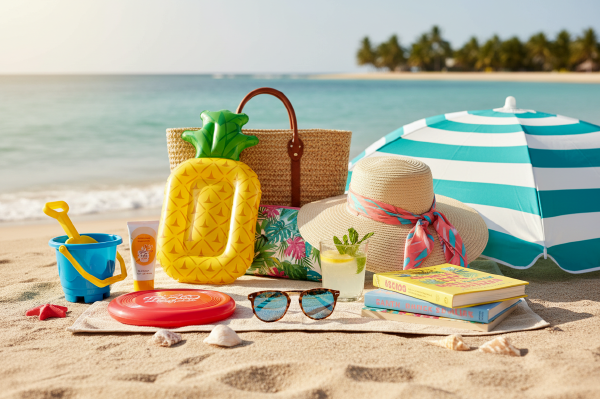
ℹ️ Short answer: Pack light layers, walking shoes you can do limestone steps in, and proper sun protection. The Maltese summer is hotter and brighter than most visitors expect; the winter is mild but wet. Skip: big hiking boots, heavy jackets, “modest covering” full kits (you only need a light scarf for cathedrals), and any “river-and-sea” sandals — Malta’s beach access is rocky, and you want either flip-flops or proper water shoes, not both. Most Malta-specific gear is cheaper to buy at home than in Sliema. The honest truth about packing for Malta: you don’t need much, but the small things matter. Limestone steps eat shoes. The summer sun reflects off the white stone and burns the bits sunscreen ads ignore (the bottom of your feet at the beach, the back of your hands holding a phone). The winter wind on the Dingli cliffs in February is colder than the temperature suggests. And the water shoes you almost-skipped are the ones you’ll wish you packed when you’re trying to climb out of a rocky cove with the tide picking up.
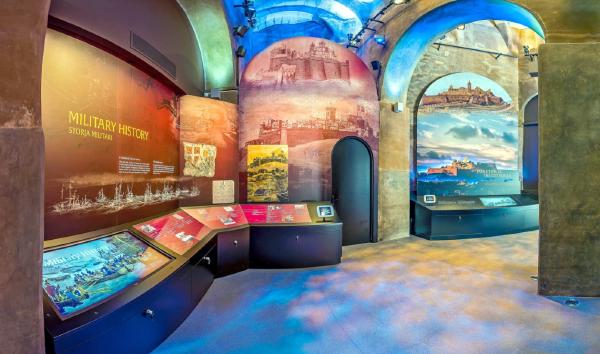
ℹ️ Short answer: The Malta Pass pays off for fast-moving sightseers doing 4+ paid attractions in 2–3 days — typically €20–40 of net savings on a 3-day pass. It does not pay off for slow travellers, beach-focused trips, families with under-10s, or anyone whose Malta plan is “Valletta + Comino + a few good lunches.” For most first-timers, buying tickets individually as you go is genuinely cheaper. We’d buy the pass for 3 specific traveller profiles and skip it for the rest. The Malta Pass is the island’s official tourist sightseeing pass — a single QR-code ticket that gets you into 30+ attractions, includes the hop-on hop-off buses, and aims to do for Malta what the London Pass does for London. Like every “city pass” ever invented, it’s a great deal for some travellers and a quiet money-pit for others, and the marketing copy doesn’t help you tell which one you are.
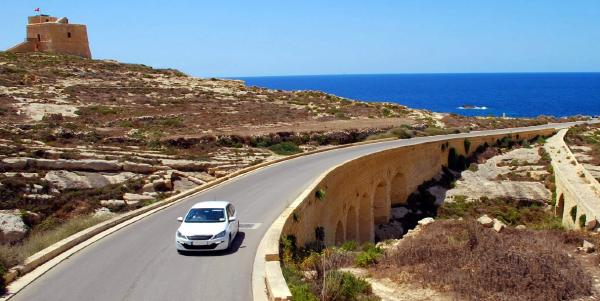
ℹ️ Short answer: A rental car in Malta is worth it for 3–4 days, not 7. Pick it up when you leave the Sliema/Valletta area for Mdina, Dingli, the south coast and Gozo; skip it for the city days when buses, ferries and walking are faster. Expect €25–45/day for an economy car in shoulder season, plus €20–30/day in summer surcharges and parking-anxiety. Driving is on the left, the roads are narrow, and Maltese drivers are creatively assertive — but it’s manageable for any confident driver who’s done a 30-minute orientation lap. There’s a question every Malta visitor eventually asks: do I rent a car or not? The internet is split. Forums say “absolutely necessary.” Bloggers say “Malta is too small, just take the bus.” Both are wrong, because the right answer is “depends which days.” Malta is small enough that you can do Valletta, Sliema and Mdina without a car, and big enough that Gozo, the south coast and Comino-side beaches are noticeably better with one. The trick is renting for the days that need it and not the days that don’t.